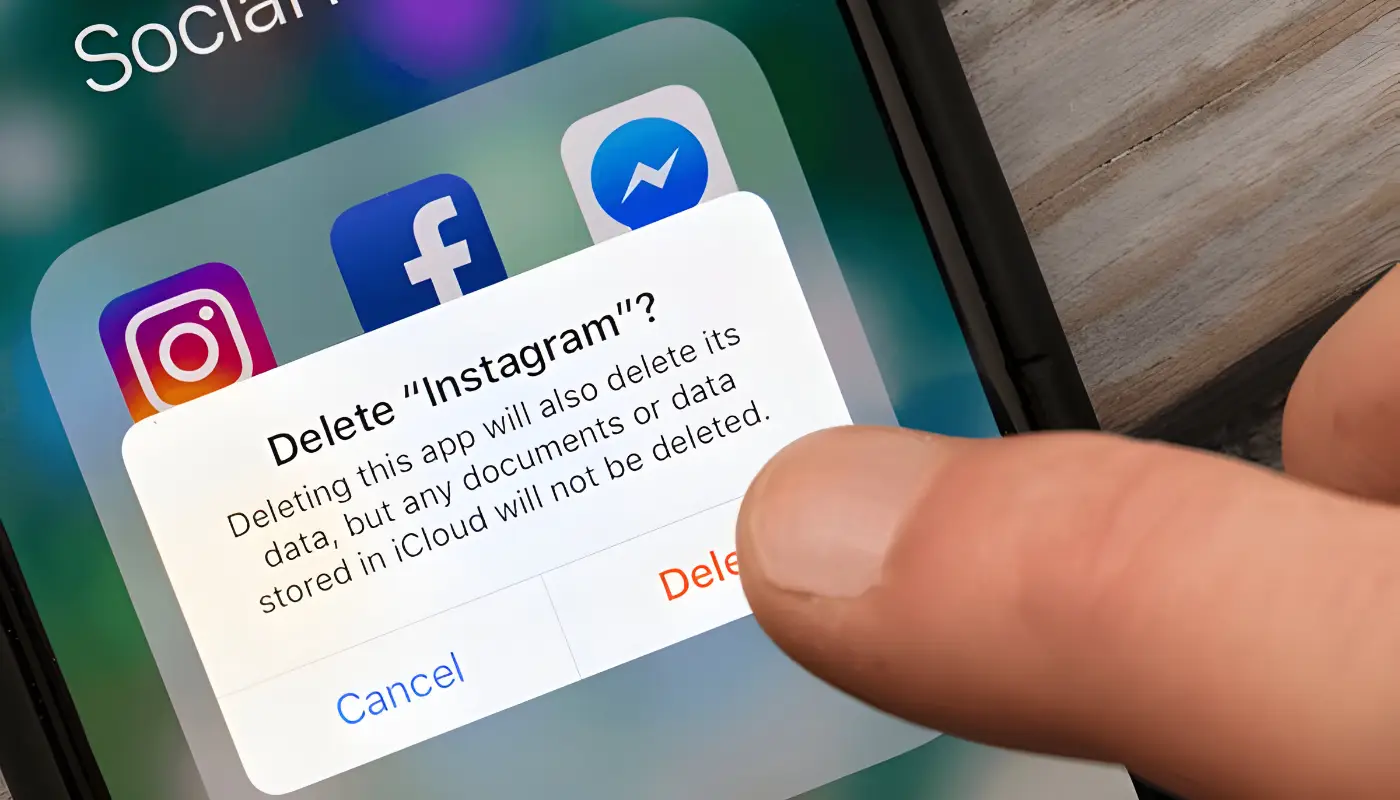

Setting up parental controls for Android is free and takes about 15 minutes with Google Family Link. You install the Family Link app, create a supervised Google Account for your child, and link their device. From there you can set screen time limits, approve app downloads, filter web content, and share location. This guide walks you through every step.
- What are parental controls for Android?
- How do you set up Google Family Link?
- Family Link settings and where to find them
- How do you set screen time limits and bedtime?
- How do you set Google Play restrictions?
- How does YouTube supervised experience work?
- What is Samsung Kids and do you need it?
- How does the app approval flow work?
- How do you share location with Family Link?
- How do you review activity reports?
- What can Family Link not do?
- How do you fix common Family Link problems?
- Android parental controls checklist
- Frequently asked questions
Last updated: October 2026
This guide is for parents setting up controls on their own child’s Android phone or tablet. Everything here uses Google’s official family tools. We do not cover monitoring another adult’s device.
What are parental controls for Android?
Parental controls for Android are settings that let you manage what your child can do on their phone. The main system is Google Family Link. It is free and works on most Android phones and tablets. You manage everything from the Family Link app on your own phone.
Family Link covers screen time, app approvals, content filters, and location sharing. It works best with a supervised Google Account for kids under 13. Older kids can also use it with their own accounts. For a broader look at your options, see our best parental control apps roundup.
You stay in control from your own phone at all times. Your child cannot change the limits without your Google password. This makes Android parental controls simple for busy parents. Set it once, then check in weekly.
How do you set up Google Family Link?
You need two things: the Family Link app on your phone and your child’s Android device. Google says setup takes about 15 minutes. Make sure both phones are charged and connected to Wi-Fi.
Start on your own phone. Open the Family Link app and select your child’s profile. If your child does not have a profile yet, tap Add child and follow the steps. You will create a Google Account for them or link their current one. Google will ask you to give parental consent.
Next, link your child’s device. Follow the on-screen prompts on both phones. You will set a daily screen time limit and a bedtime during setup. You can change these later at any time. When you finish, your child’s phone will show that Family Link supervision is on.
If your child already has a Google Account, you can add supervision to it instead of making a new one. Google has a separate flow for this in the Family Link app. The key point is that your child knows supervision is active. Nothing here works in secret.
Family Link settings and where to find them
This table shows the main settings and where to tap in the Family Link app. Use it as a quick reference after setup.
| Setting | Where to find it | What it does |
|---|---|---|
| Daily limit | Controls, then Daily limit | Caps total screen time per day |
| Bedtime | Controls, then Bedtime | Locks the phone at night |
| App limits | Controls, then App limits | Sets time limits per app |
| App approvals | Controls, then App installs | You approve or block new apps |
| Content filters | Controls, then Filters on Google Chrome | Blocks adult sites and searches |
| Location | Location tab | Shows your child’s device on a map |
| Activity reports | Highlights tab | Shows app use and screen time |
How do you set screen time limits and bedtime?
Open Family Link and tap Controls. Choose Daily limit to cap total screen time. Pick a number that fits your child’s age and school schedule. You can set different limits for weekdays and weekends.
Bedtime locks the phone at night. Go to Controls, then Bedtime, and set the hours. The phone will lock automatically when bedtime starts. This helps kids wind down and sleep better. You can allow alarms and emergency calls during bedtime.
You can also set per-app limits for games and social apps. Go to Controls, then App limits, and pick the apps. This is useful when one app eats most of the screen time. Start strict and loosen up as your child shows balance.
How do you set Google Play restrictions?
Google Play has its own parental controls for app and media age ratings. Open the Play Store on your child’s phone. Tap the profile icon, then Settings, then Family, then Parental controls. Turn them on and set a PIN your child does not know.
You can set different maturity levels for apps, games, movies, and books. This stops your child from downloading apps meant for older teens or adults. Pair this with Family Link’s app approval flow for full control. Our guide to monitoring your child’s phone explains how these layers work together.
How does YouTube supervised experience work?
YouTube offers supervised accounts for kids and teens. For younger kids, there is YouTube Kids with strict filters. For older kids, a supervised YouTube account limits recommendations and hides age-restricted videos. You set this up through Family Link.
To turn it on, open Family Link and select your child’s profile. Go to Controls, then Content restrictions, then YouTube. Choose the setting that fits your child’s age. You can change it as they grow. No filter is perfect, so keep talking to your child about what they watch.
What is Samsung Kids and do you need it?
Samsung phones have an extra mode called Samsung Kids. It creates a safe home screen with only kid-friendly apps. You set a separate PIN for it. It is useful for younger children who share a parent’s phone.
You do not need Samsung Kids if you already use Family Link. It is an extra layer, not a replacement. On non-Samsung phones, Family Link alone is enough. Think of Samsung Kids as training wheels for very young kids.
How does the app approval flow work?
When your child tries to download an app, you get a request on your phone. You can approve or deny it from the Family Link app or from a notification. Your child cannot install the app until you approve it. This works for both free and paid apps.
Check the app’s age rating before you approve it. Look at what permissions it asks for, such as location or contacts. If an app seems wrong for your child’s age, say no and explain why. Our guide on how to use monitoring tools responsibly has tips for these talks.
How do you share location with Family Link?
Location sharing shows your child’s phone on a map in the Family Link app. Open Family Link, tap the Location tab, and turn it on. Your child will see that location sharing is active. It uses the phone’s GPS, so keep location services on.
Use location for safety, not for tracking every move. Check it when your child is late or when plans change. Tell your child when and why you look. Trust grows when location is a safety net, not a leash.
How do you review activity reports?
Family Link sends you weekly and monthly activity reports. Open the Highlights tab to see screen time and app use. You can see which apps your child uses most. This helps you spot new apps you did not approve.
Use the reports to start talks, not to punish. Ask your child about a new game with interest. Share what you see and ask what they think. When reports lead to talks, kids stay open. When they lead to bans, kids hide things.
You can turn report emails on or off in the settings. Some parents like a weekly email summary. Others prefer to check the app directly. Pick the habit you will actually keep.
What can Family Link not do?
Family Link is strong, but it has limits. It cannot read your child’s text messages or show social media chats. It shows how long apps are used, not what happens inside them. This is by design to protect privacy.
It also cannot control every device. It works on Android and Chromebook, not on iPhones for the child side. If your family uses both systems, you will need Screen Time for the iPhones. Our best free parental control apps guide shows free tools for mixed-device homes.
For deeper insight into calls and messages, some parents look at monitoring apps. These cost money and raise bigger privacy questions. Start with Family Link first. Only consider more when the free tools truly fall short.
How do you fix common Family Link problems?
The most common issue is a child bypassing the bedtime or limits. Make sure Family Link has device admin rights and that your child does not know your Google password. Check that the Family Link child app is updated on their phone.
If reports stop updating, check the internet connection on both phones. Restart the Family Link app on your phone. If an app approval does not arrive, check your notification settings. Most problems clear up after an update and a restart.
If your child gets a new phone, link it the same way you linked the first one. Remove the old device from Family Link when you are done. For iPhone-specific issues, our iPhone Screen Time guide covers Apple’s side.
Android parental controls checklist
Run through this list after setup to make sure nothing is missed.
- Install Family Link and link your child’s device
- Set a daily screen time limit and bedtime
- Turn on app approvals for new downloads
- Set Google Play age restrictions with a PIN
- Turn on YouTube supervised mode
- Enable location sharing in the Location tab
- Check activity reports every week
- Update both phones and the Family Link app
Frequently asked questions
Quick answers to common Android parental control questions.
Is Google Family Link really free?
Yes. Family Link is free with no paid tier. You only need Google accounts for you and your child. All the core controls cost nothing.
What Android version does Family Link need?
Family Link works on most modern Android phones and tablets. Google lists the exact requirements in the Play Store. Keep both phones updated for the best results.
Can my child remove Family Link?
Your child will see that supervision is on. Removing it needs your Google account password. Teens over 13 can choose to stop supervision, but you get a notice first.
Does Family Link work on iPhone?
The Family Link parent app runs on iPhone, so you can manage from iOS. But full device controls need an Android or Chromebook for your child. For iPhones, use Apple Screen Time instead.
What is the best free parental control app for Android?
Google Family Link is the best free option for Android. It is made by Google and covers screen time, approvals, and filters. See our best free parental control apps guide for more free tools.